Building Confident Technicians Through Real Understanding
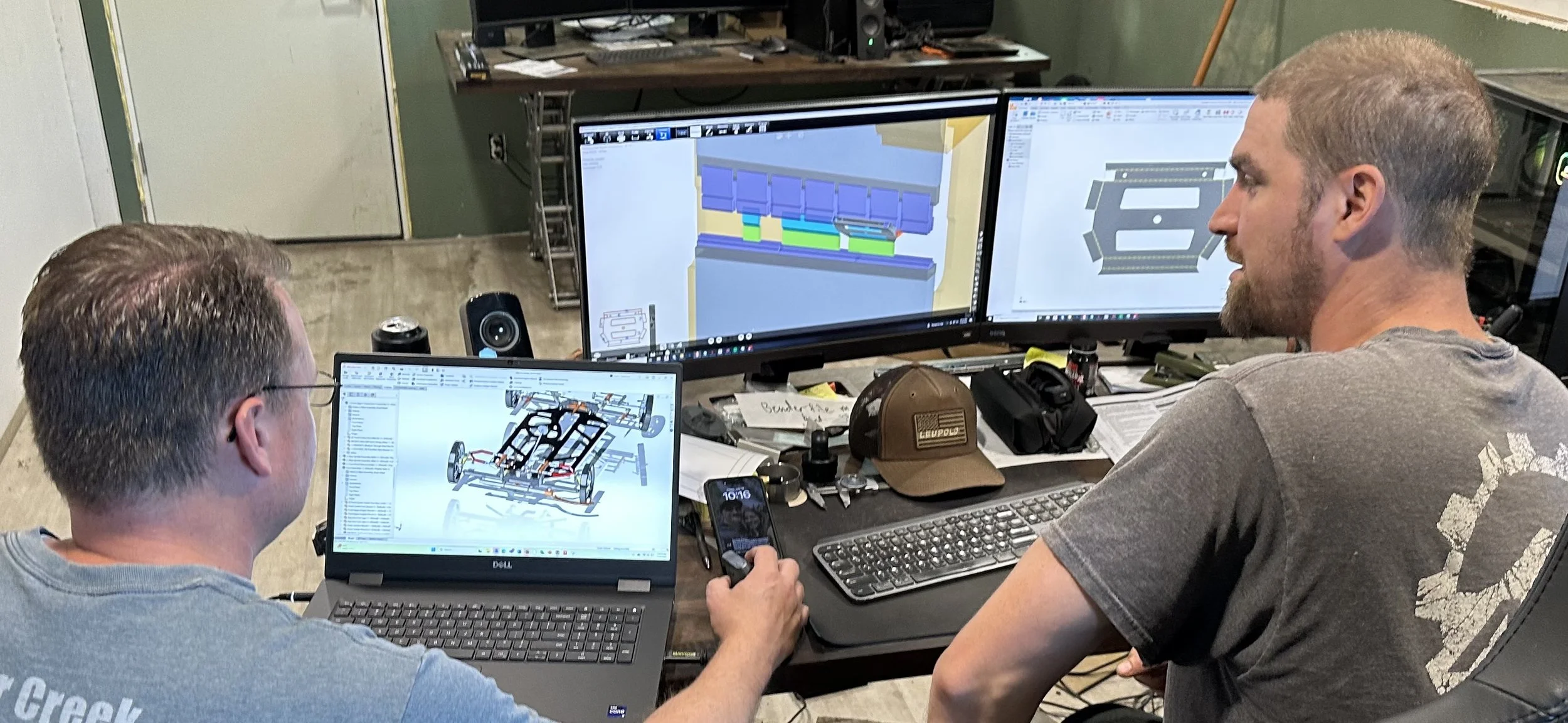
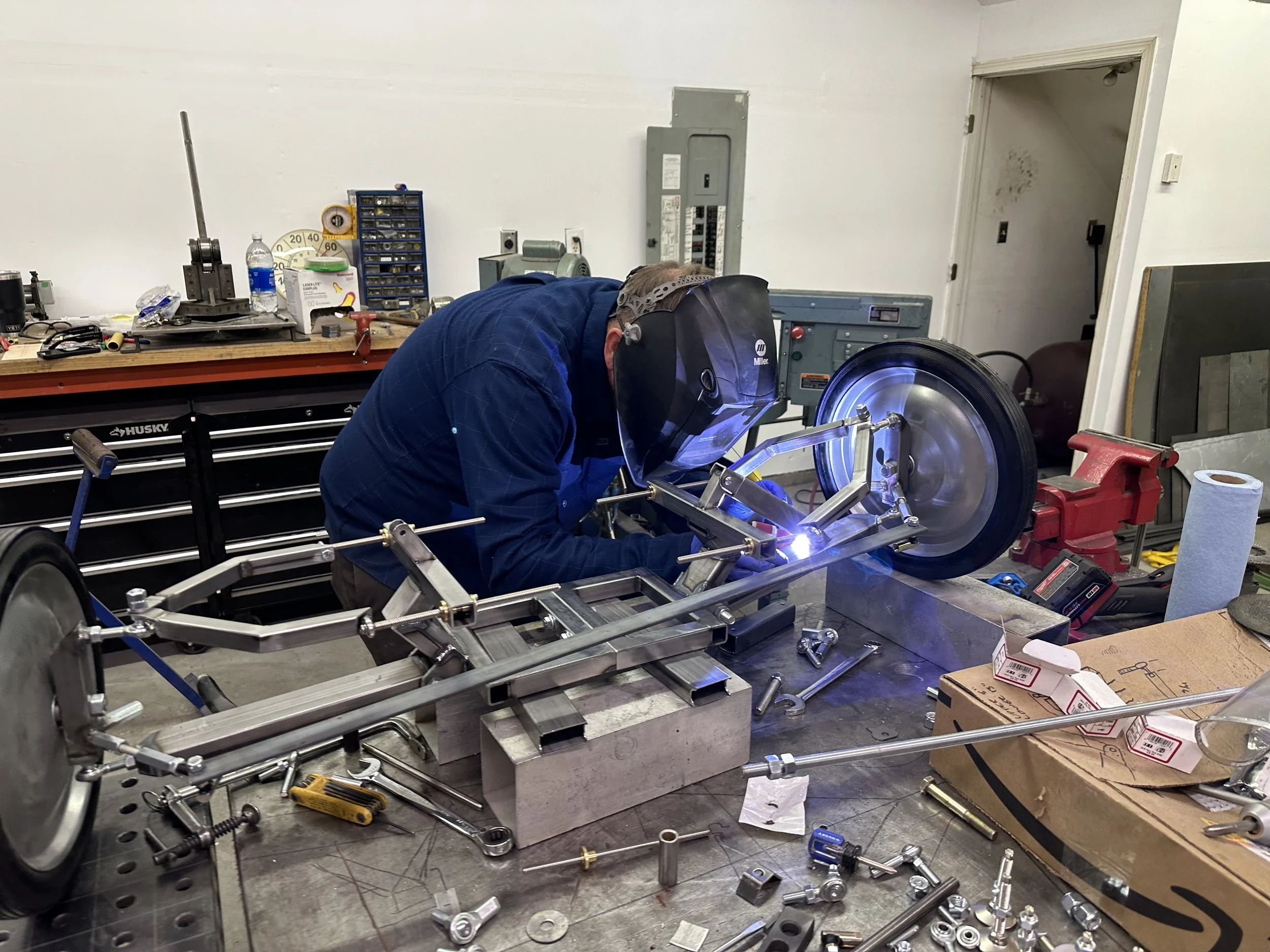
Developed in 2023 from the real-world experience of a seasoned Hunter Engineering technician, Automotive Reactive Curriculum (A.R.C.) was created to provide a simpler, more effective approach to teaching wheel alignment. Our mission is to educate the next generation of automotive professionals, inspire aspiring technicians, and invest in the future of a critical industry. By building a strong foundation of practical knowledge, we aim to develop confident technicians who are prepared for successful and rewarding careers.
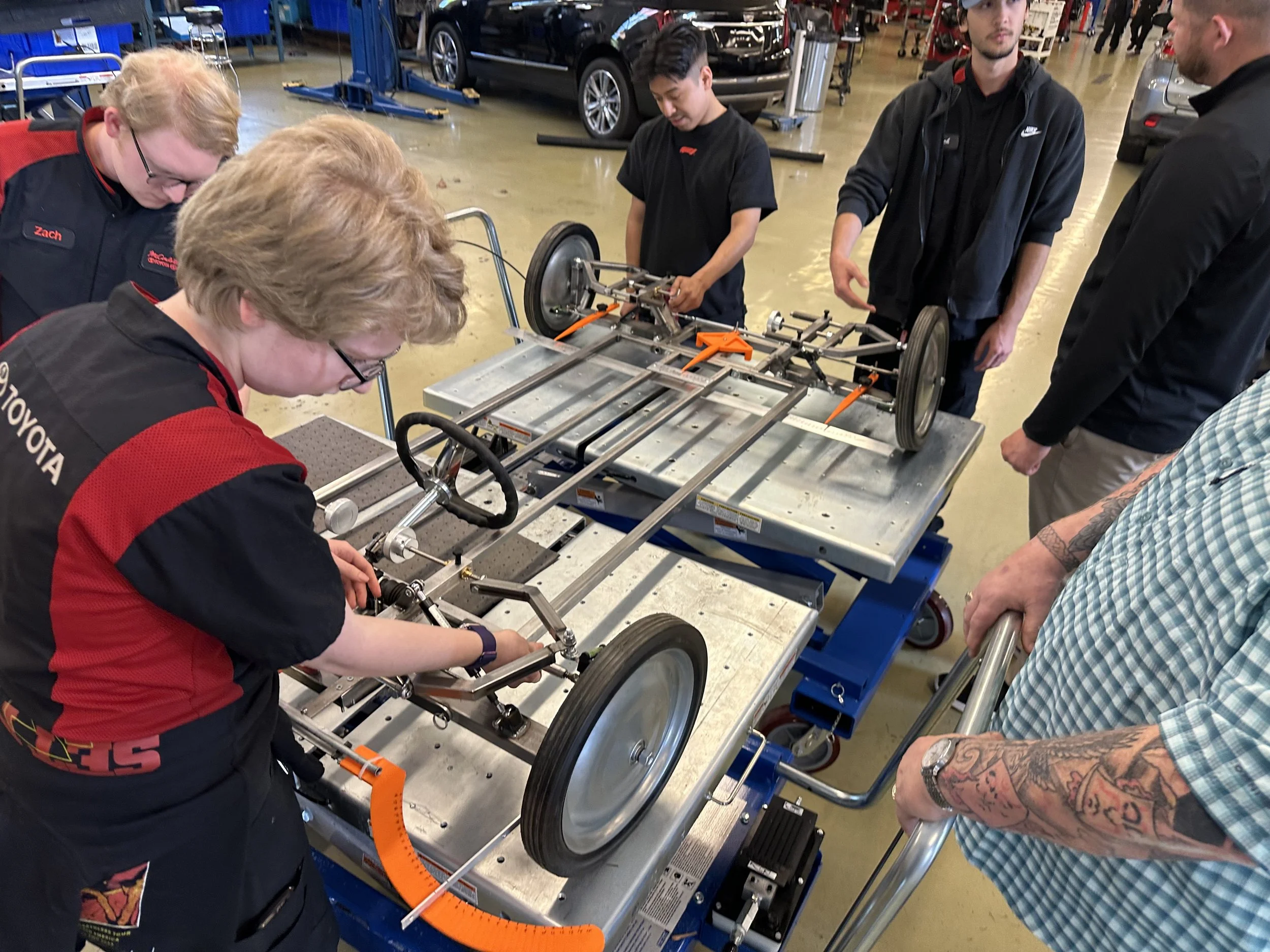
A.R.C. focuses on translating complex mechanical concepts into engaging, hands-on learning experiences. Rather than relying solely on theory, students gain a deeper understanding through visual demonstrations and interactive mechanical models that clearly illustrate the relationships between alignment angles and vehicle behavior.
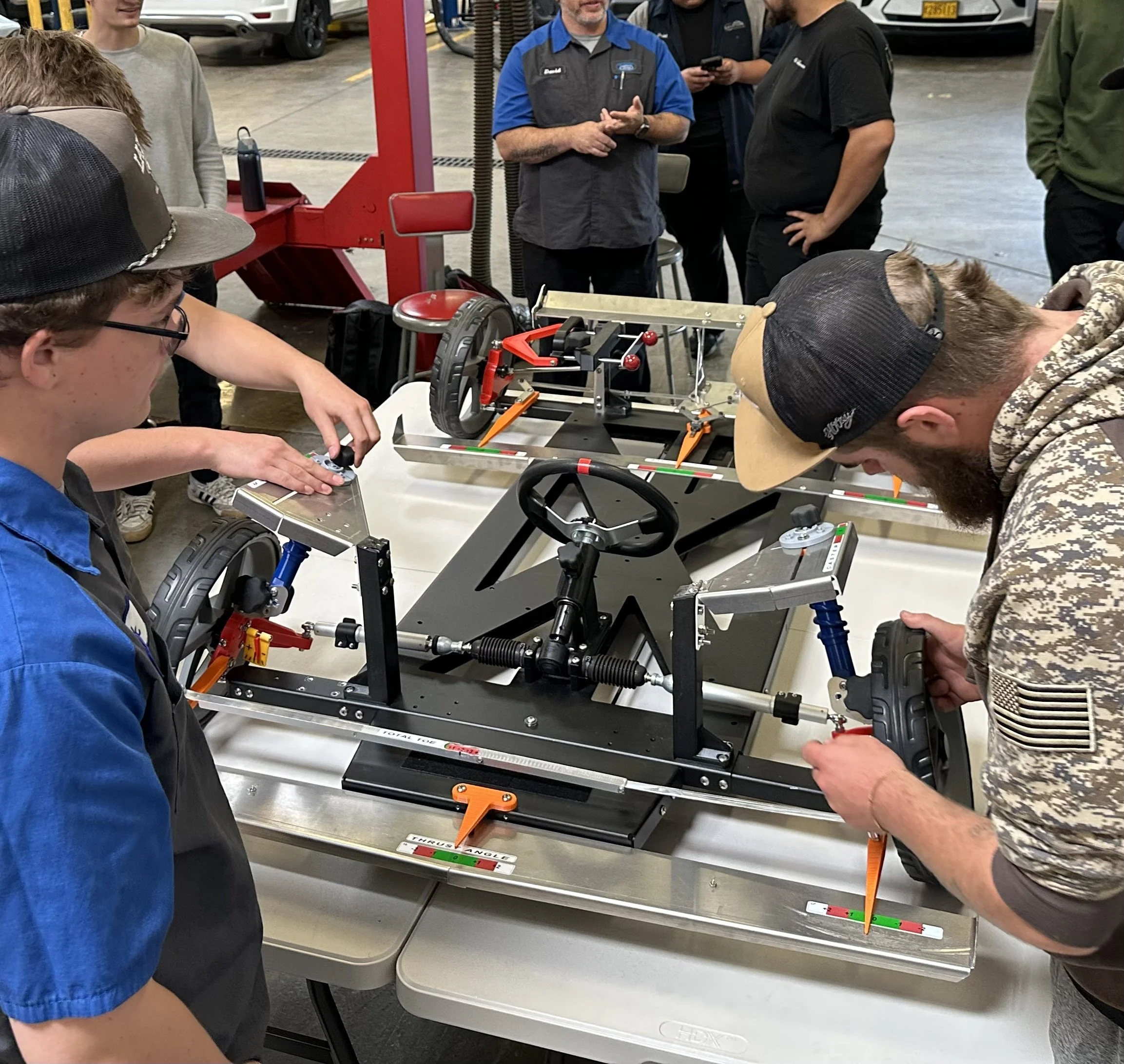
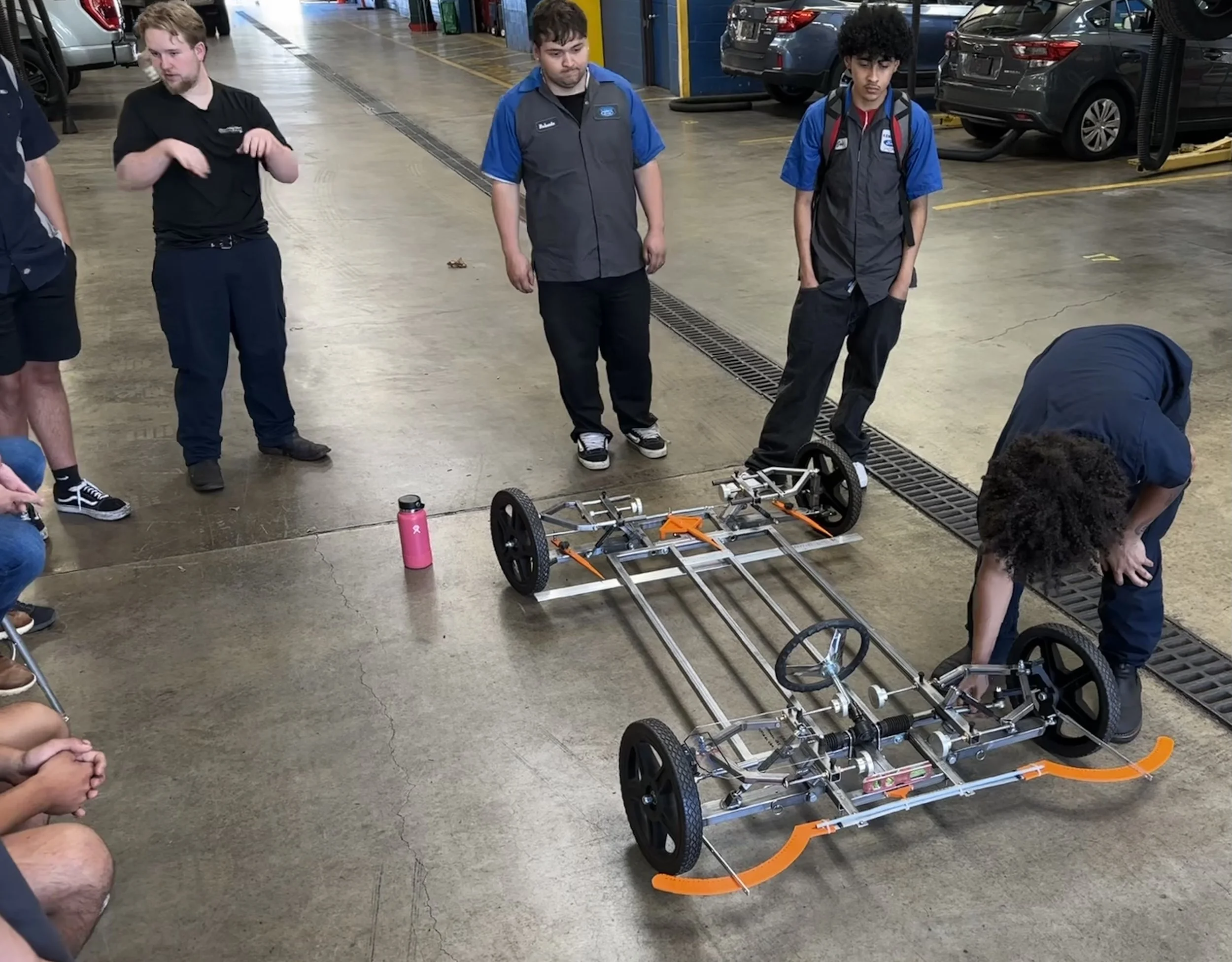
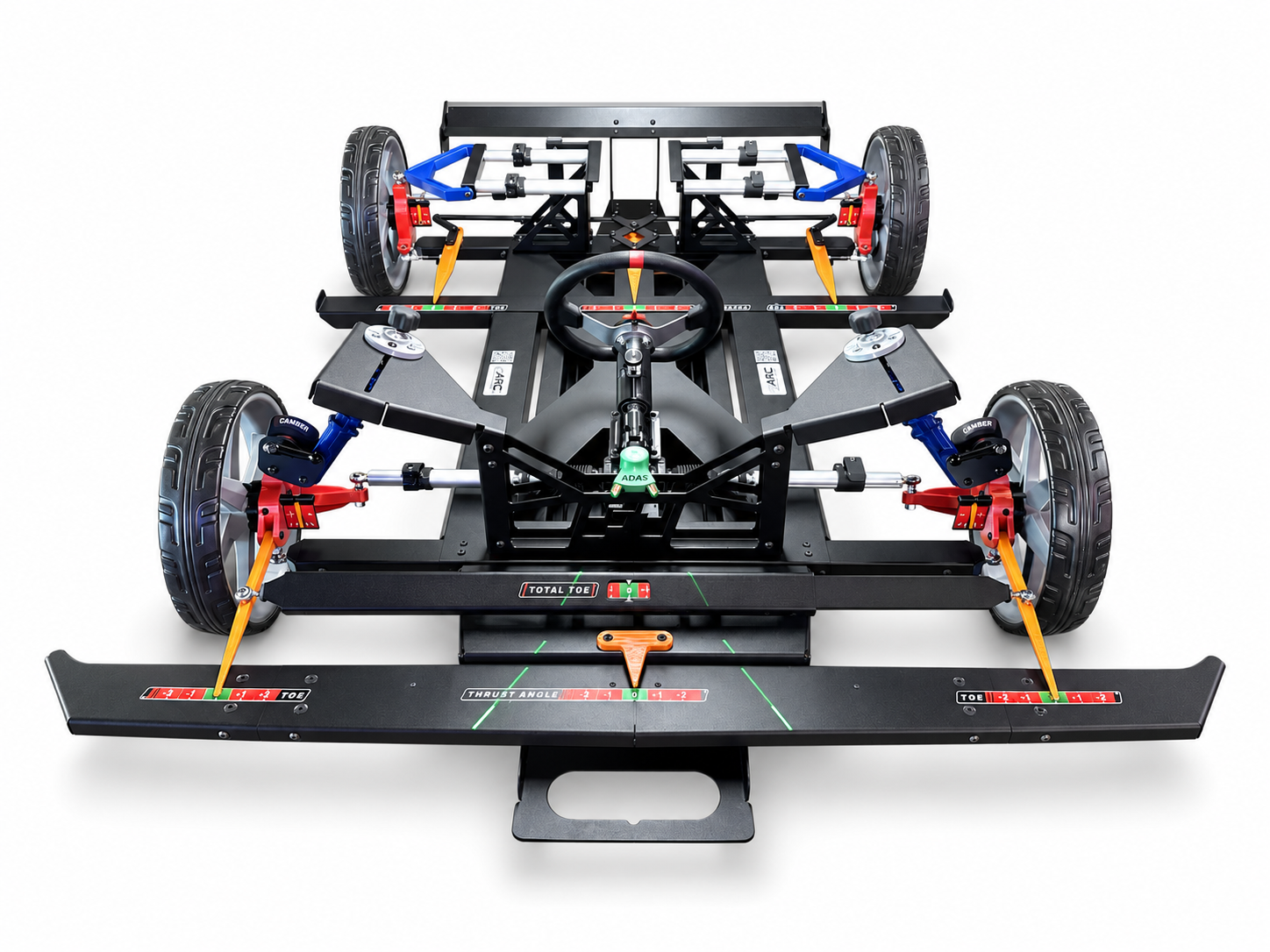
The A.R.C. Model F1, provides a physical and highly visual representation of wheel alignment principles that are often difficult to grasp through traditional instruction. Instead of depending on memorized rules of thumb, students can observe, manipulate, and experience how alignment angles interact in real time.
With the A.R.C. F1, learners can:
See how alignment angles influence one another.
Experience the effects of caster and Steering Axis Inclination (SAI) on steering wheel returnability.
Observe how thrust angle directly impacts front toe measurements and steering geometry.
Demonstrate how cross-caster and cross-camber conditions can create vehicle pull.
Explore nearly 30 degrees of adjustment across multiple alignment angles for clear, exaggerated demonstrations.
The A.R.C. F1 emphasizes understanding the “HOW” and “WHY” behind wheel alignment—not just the “what.” Students can visualize concepts such as camber roll during turns, tire wear caused by improper camber and toe settings, dog tracking resulting from thrust angle, and the alignment conditions that lead to a crooked steering wheel.
The system encourages experimentation and problem-solving. Instructors can intentionally introduce alignment faults and challenge students to diagnose and correct them within minutes, creating an engaging, hands-on learning environment. Because multiple students can participate simultaneously, the A.R.C. F1 reduces downtime, increases classroom involvement, and transforms alignment instruction into an interactive educational experience.
By bringing alignment theory to life, Automotive Reactive Curriculum helps students develop the confidence, understanding, and practical skills required to excel in today’s automotive industry.